Building Near a Lake or Wetland in Southeast Michigan
Why Water Changes The Plan
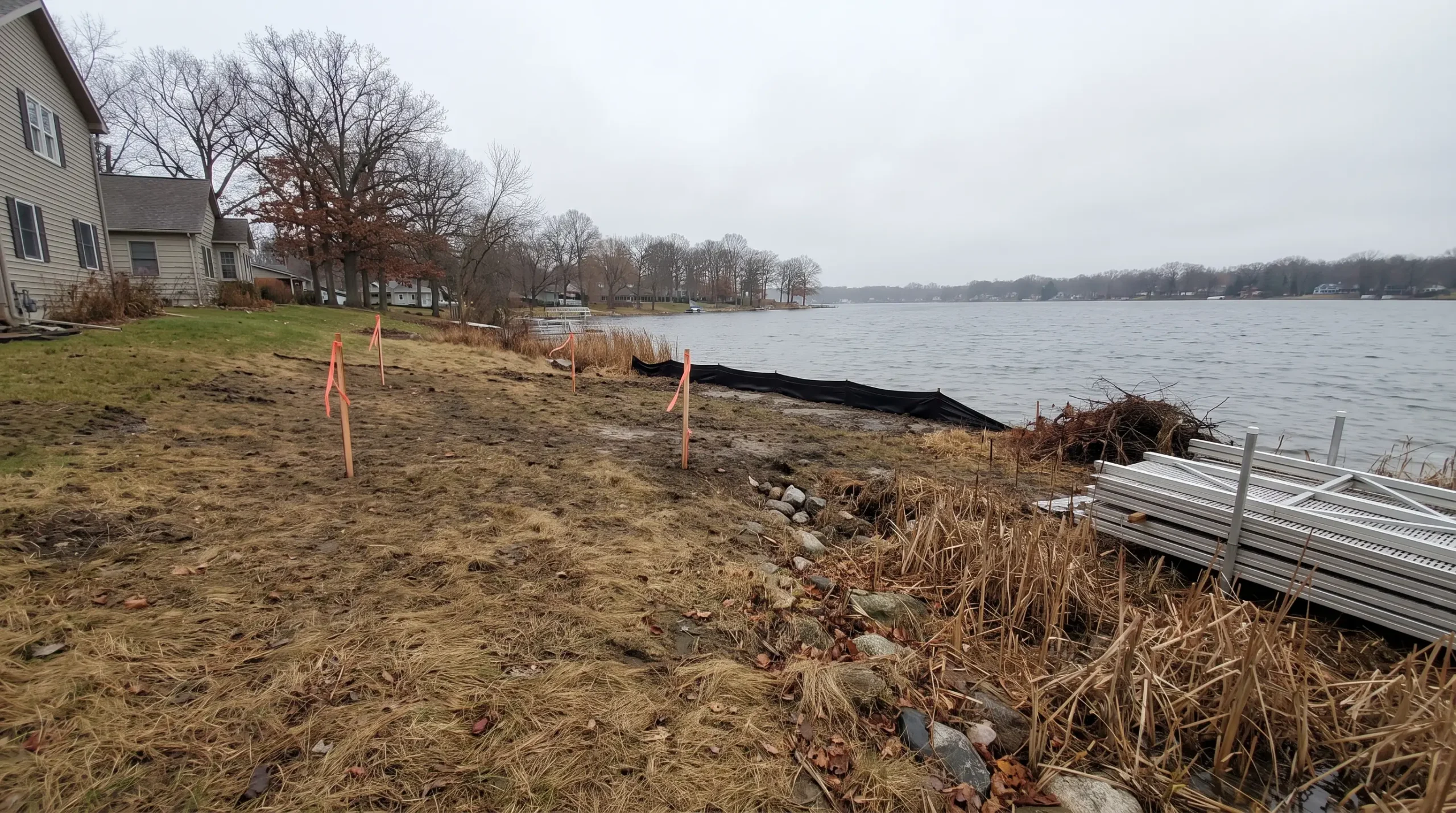
Towns protect their lakes, rivers, streams and wetlands, and the land beside them. They do it to keep the water clean, to keep floodwater moving, and often to keep everyone’s view. The result is that a new home near water sits where the town’s rules place it, which is not always where you first imagined.
We work alongside your architect or designer. They lead the design. We help make sure it fits the lot and the town’s rules, keep you informed at every step, and build it with care.
What Towns Look At
How Far The Home Sits From The Water
Towns publish their own distances, and they vary a great deal. Some also ask a new home to line up with the homes beside it, so nobody’s view is blocked. We work out the line for your lot early, with the town.
Wetlands
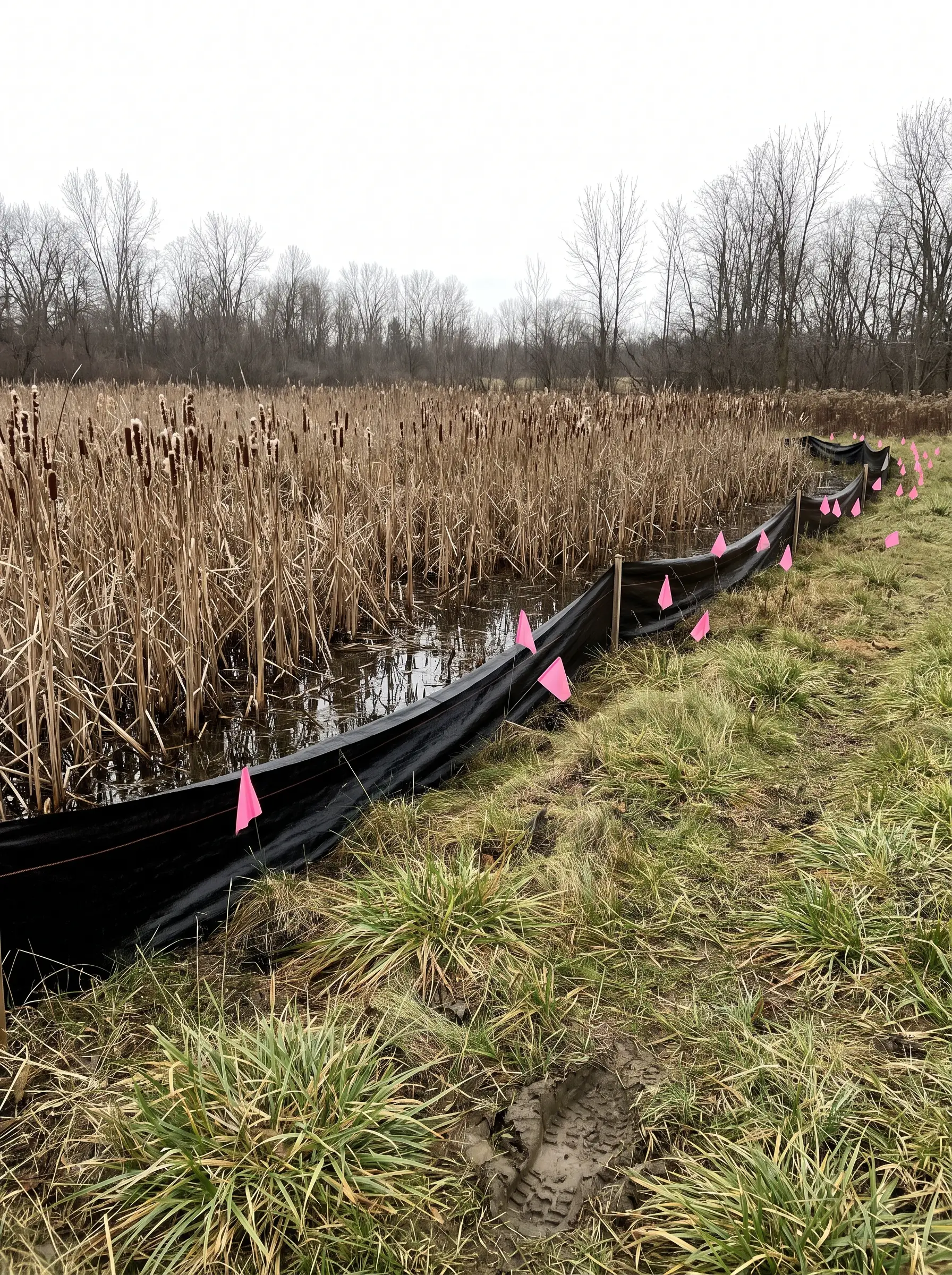
A wetland is not always obvious. It can be a low, damp corner of a wooded lot. Many towns publish a strip of land to be kept natural beside one, and some have their own wetland rules on top of the state’s. West Bloomfield and Superior Township are examples. We have a lot checked for wetlands before the design goes far.
Rivers With Extra Protection
Stretches of the Huron River and some of its creeks carry added protection. Scio Township describes this on its page.
Land That Can Flood
Some land near water is mapped as likely to flood. Towns publish rules for building there, often about how high the home sits. Ann Arbor is an example. We check your lot against the maps early.
Seawalls, Docks And The Shore
Work at the water’s edge often has its own approval, sometimes from a separate board, and sometimes from the state as well. Lake associations may have rules of their own.
Sewer Or Septic
On a lake lot without public sewer, the septic system keeps its own distance from the water, and that can decide where the home goes. Our guide to wells, septic and sewer covers more.
This page is general information, not legal advice or an official answer. Each city, township and village decides what is allowed on each property, and its rules change.
Questions About Building Near Water
How close to a lake can a new home be?
The town decides. We work out where a home can sit on your lot with the town before the design begins.
How do I know whether a lot has a wetland?
We have the lot checked by someone qualified, and confirm with the town what it covers.
Can I replace an older lake house with a larger one?
That is the town’s decision for each property, and the rules for the lot apply to the new home. We check with the town for your address before you commit to anything.
Should I have a lot checked before I buy it?
Where a home can sit shapes what the lot is worth to you. We are glad to look at an address with you first.
Who deals with the town and the state?
We do. We arrange the checks, prepare the applications and handle the questions that come back.
This is general information, not legal advice or an official answer. Each town decides what is allowed on each property. Sources: the official pages linked from each town page. Checked October 11, 2026.
Find Your Town