What to Check Before You Buy a Lot to Build On
Why Look Before You Buy
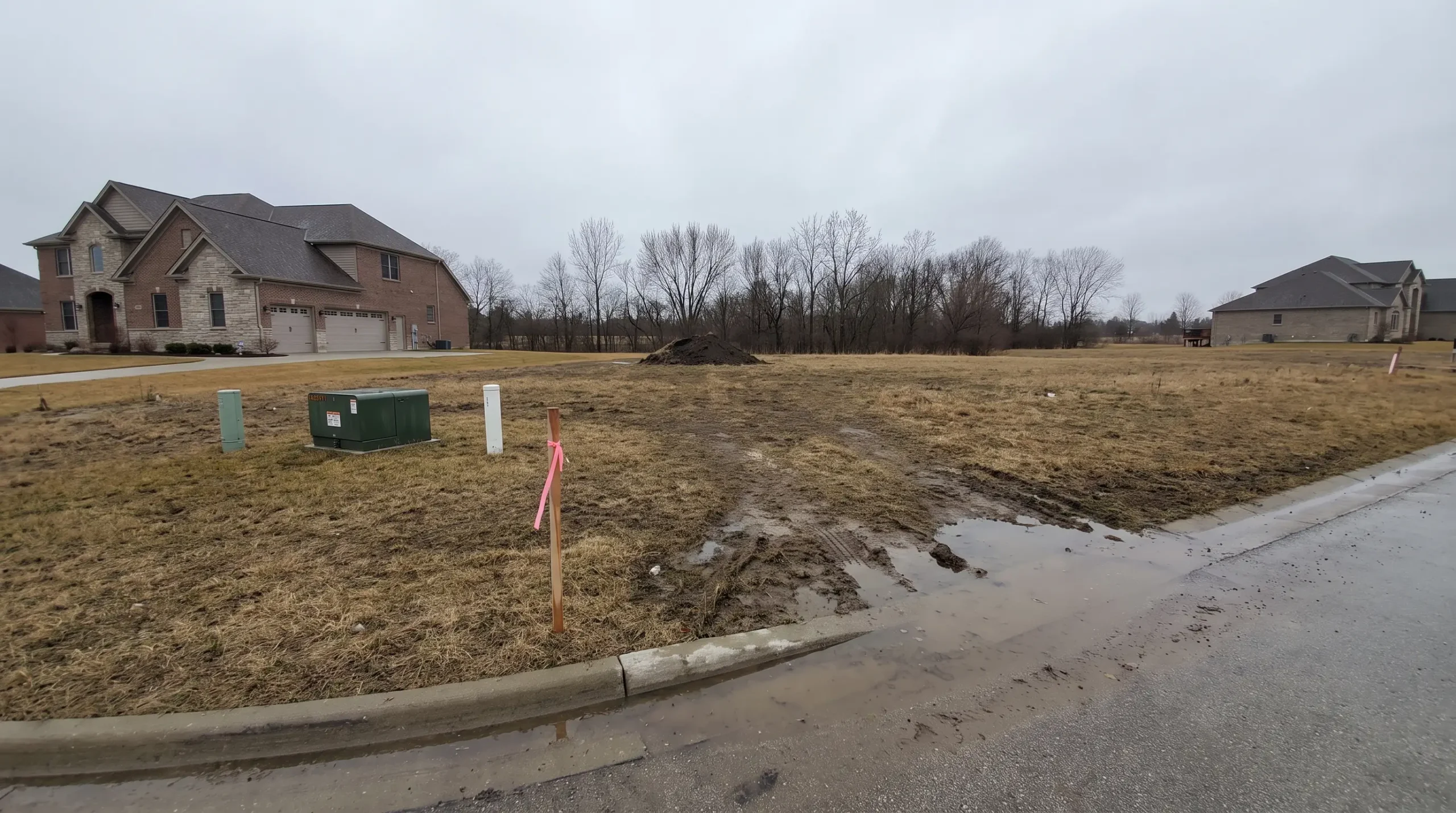
A listing tells you the size of a lot and what it costs to buy. It rarely tells you where a home can sit on it, what the town will ask for, or what the ground is like. Those are the things that decide what the lot is worth to you.
We work alongside your architect or designer. They lead the design. We help make sure it fits the lot and the town’s rules, keep you informed at every step, and build it with care.
Nine Questions Worth Asking
1. Which Town Is It Really In?
A mailing address can mislead. Several names here cover two separate governments with separate rules, such as Plymouth and Plymouth Township, or the City of Brighton and the township around it. We confirm which one a lot is in before anything else.
2. How Does It Get Water And Handle Waste?
Public water and sewer, or a well and a septic system? It changes the early steps and where the home can sit. See our guide to wells, septic and sewer.
3. Is There Water, Wet Ground Or Flood Risk?
A lake, a stream, a wetland or mapped flood land each bring their own rules about where a home sits. See our guide to building near a lake or wetland.
4. What About The Trees?
Towns protect trees in different ways, and on a wooded lot that can shape the whole layout. See our guide to trees and building.
5. Is It In A Historic District?
If so, a commission reviews the design, and usually any plan to take a building down. See our guide to historic districts.
6. Is There A House On It Now?
Whether it may come down is the town’s decision, and there are steps to follow. See our guide to teardown and rebuild.
7. Are There Private Rules?
A subdivision or a homeowners association can have rules of its own, separate from the town’s. Towns say that their permit does not override them. Ask for the deed restrictions and the association’s rules before you buy.
8. How Do You Reach It?
A lot on a private road, or one that needs a new driveway onto a county road, can involve extra approvals. Some towns publish rules for private roads.
9. Who Issues The Permit?
It may be the town, the county, or both. It affects the order of the steps more than the outcome. See our guide to who issues a building permit.
This page is general information, not legal advice or an official answer, and it is not a substitute for your own attorney or surveyor. Each city, township and village decides what is allowed on each property, and its rules change.
Questions About Buying A Lot
Will you look at a lot before I buy it?
We are glad to. Send us the address or the listing, and we will tell you what building there is likely to involve.
Can I find out what size of home a lot will take?
The town’s rules for the lot set this. We go through them for the address with your designer and confirm with the town.
What if the lot already has a house on it?
We check with the town for the address before you commit to anything.
Do I need a survey before I buy?
A current survey answers many of these questions, and towns commonly ask for one with a permit application. Your attorney or agent can advise on your purchase. We can arrange a survey for the build.
What is the most common surprise?
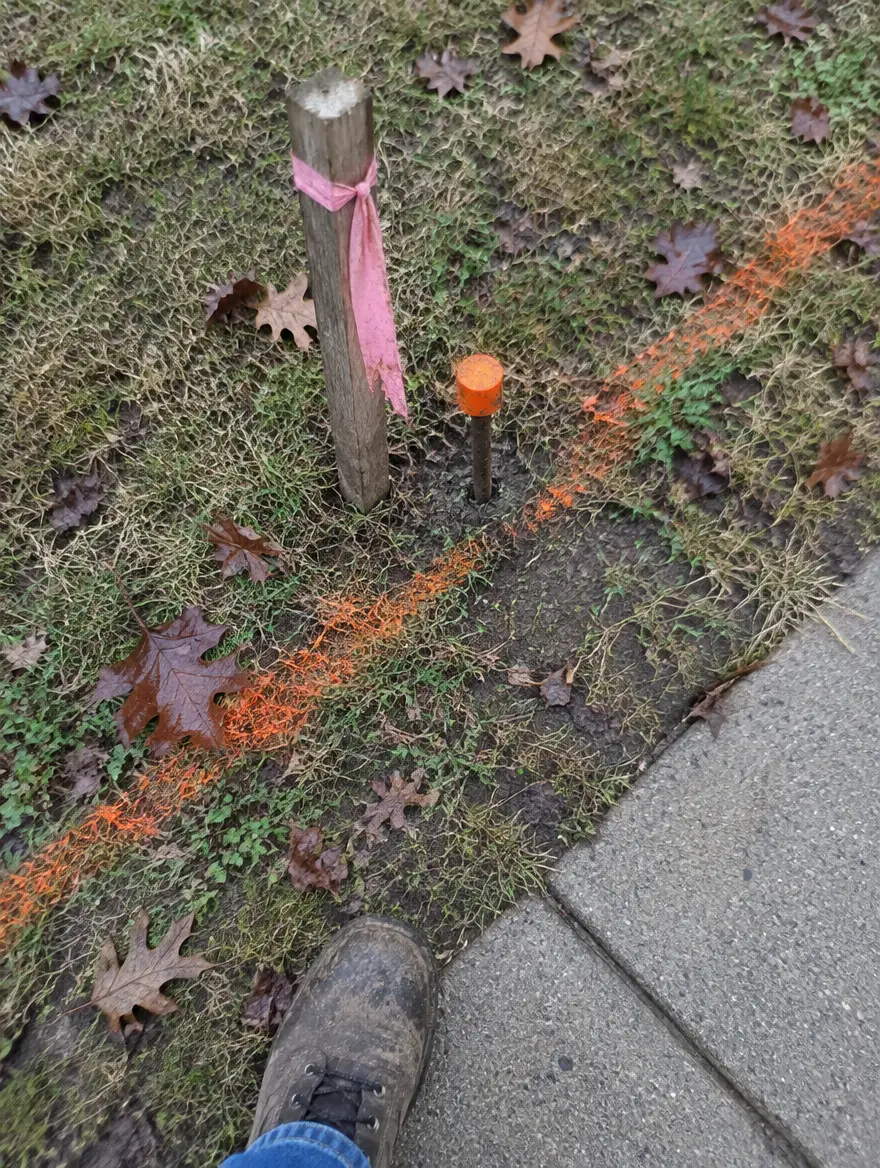
Usually something about the ground: wet areas, the soil, or how the lot gets water and sewer. That is why we like to walk a lot early.
This is general information, not legal advice or an official answer. Each town decides what is allowed on each property. Sources: the official pages linked from each town page. Checked October 11, 2026.
Find Your Town